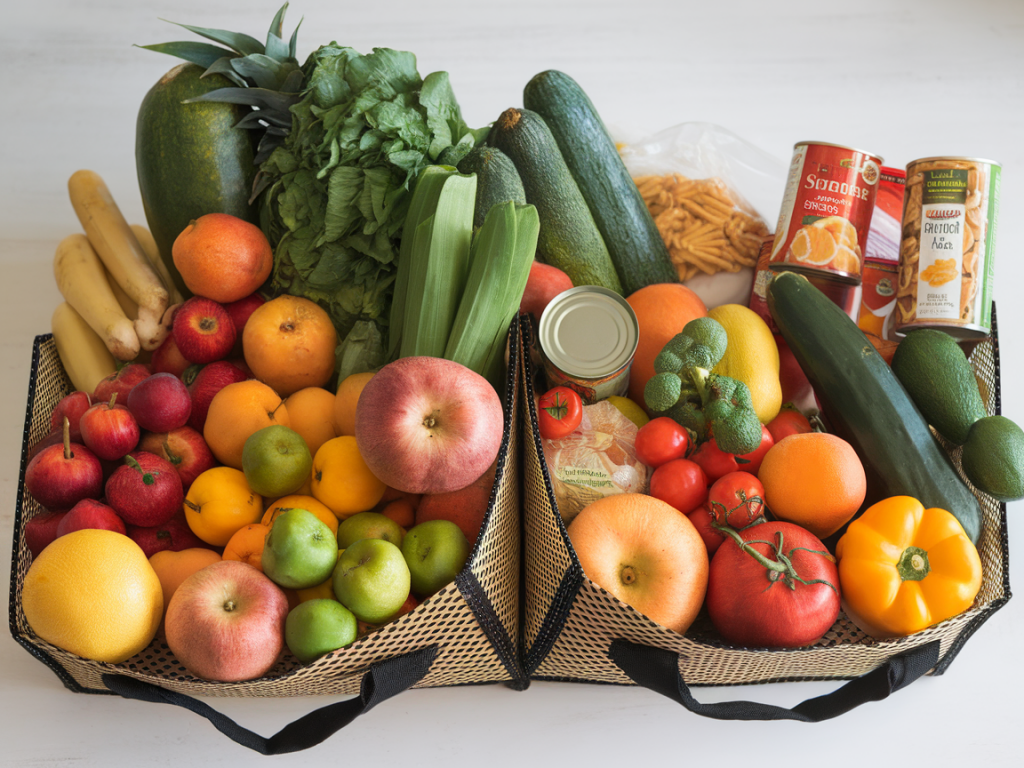
I have a habit of overpacking bags when I go grocery shopping—until I realised that the chaos at the checkout was partly self-inflicted. A loose tangle of mesh sacks, produce bags and a lone insulated tote meant slow packing, crushed tomatoes and, annoyingly, unexpected plastic sticking out of receipts. A simple two-bag system changed that. It cut my plastic use in half, made bagging faster, and made car-to-kitchen logistics infinitely tidier.
Why two bags, not one?
One big tote is better than plastic bags, sure—but one bag still becomes a jumble. The two-bag approach solves three practical problems at once:
Waste reduction: Separating items helps avoid the impulse to accept single-use plastic for fragile or wet products.Speed: Packing is faster when you follow a consistent order; cashiers and baggers (or yourself) don’t have to guess where things go.Preservation: Delicate produce, chilled goods and heavy pantry staples all travel better when grouped appropriately.My two-bag setup (what I actually use)
I keep two distinct bags in my hall: a sturdy canvas tote I call the "Dry Bag" and an insulated soft-sided cooler I call the "Fresh Bag." The two look different—different fabric, different colour—so there’s no thinking required when I’m rushing out the door.
| Bag | Type | Primary use | Why it matters |
|---|
| Dry Bag | Canvas / heavy cotton tote | Dry pantry items, bread, bulk jars, bottles | Strong base, breathability; stacks well in car |
| Fresh Bag | Insulated cooler or thick neoprene tote | Dairy, meat, chilled foods, delicate produce | Keeps temperature and prevents squishing/juices leaking into other items |
How I pack at the store (order and workflow)
Consistency is the secret. I always bag in the same order—this reduces decision fatigue and speeds up the whole process.
Start with the Dry Bag on the belt. Place heavy, non-perishable items first (flour, canned goods, jars). These create a stable base.Move fragile dry items next: bread, pastries, brittle cookies. If you use a small cardboard box or a reusable bread bag, put it on top where it won’t be crushed.Place produce loosely if it’s firm (apples, citrus) in the Dry Bag. Use mesh produce sacks for anything that could rub against other food.Bring the Fresh Bag to the belt when you start picking up chilled items—milk, cheese, meat, tofu, fresh fish. If the store weighs produce, have your mesh sacks ready and, where available, use tare-weight stickers.Final items go in the Fresh Bag: soft greens, herbs, ripe tomatoes—anything that will bruise or needs to stay cool.Tools I keep handy
3–5 small mesh produce bags (I wash and rotate them). I use two for leafy greens and one for root veg.2–3 medium zip or silicone bags for loose bulk items or opened packages (nuts, bulk tea, spices).A small clipboard or a laminated shopping list split into categories (Pantry / Fridge / Produce). It sounds extra, but a list that matches your bag order speeds shopping dramatically.An extra lightweight bag in the car for overflow or if I forget my two bags. I keep it as a last resort rather than a habit.How it halves plastic waste
Here’s the math-lite: most single-use plastic at the store comes from produce bags and bagging loose chilled items separately. By using mesh and silicone bags plus an insulated tote, you eliminate the need for those thin plastic produce and sandwich bags at least 80% of the time. A secondary win is that staff are less likely to default to plastic when they can see your reusable bags ready to go—behavior is contagious.
Practical snags and how I solved them
Weighing produce: Some stores insist on weighing produce in their plastic bags. Workarounds: ask for tare weight stickers for your empty mesh bags, or weigh produce at self-checkouts in the store-provided containers and then transfer to your mesh at home.Leaky items: I carry a small folded washable kitchen towel in the Fresh Bag. If a jar leaks or a juice drips, the towel saves the tote from sticky cleanup and can be washed.Temperature concerns: On hot days I add an ice pack to the Fresh Bag for long journeys. For short city trips it’s rarely necessary.Tips for asking staff and checking out faster
Be proactive: place the Dry Bag on the conveyor first and say “Dry bag first, then fresh bag.” People appreciate the cue.Label bags visibly: I use a small leather tag on the handle of the Fresh Bag—cashiers notice and won’t put chilled items in the Dry Bag by mistake.Use self-checkout when you can: it’s faster because you control the order. If you prefer staffed checkout, speak up politely—most cashiers will help if you tell them how you want items bagged.Maintenance and longevity
Canvas totes can go in a gentle wash cycle; insulated bags often need hand-washing—check the tag. I rotate my bags so none wear out too quickly. When a mesh bag gets a snag or a waterproof lining gets stained beyond repair, I keep it for shopping for non-food items—nothing in my system goes straight to landfill if I can avoid it.
FAQs I get asked a lot
What if I forget a bag? Keep one compact, foldable bag in your pocket or purse for emergencies. It won’t be your preferred system, but it’s better than plastic.Do you ever still get plastic? Occasionally. Some stores still bag certain goods in their own plastic. I try to shop where policies are better, and I leave a note or a quick feedback card if a store defaults to plastic when I had reusable bags out.Is it slower than letting a cashier bag everything? At first, yes. After a few trips it’s faster because you and the store’s staff fall into a rhythm. The few extra seconds spent explaining your system to a cashier are regained in less crumpled produce and fewer trips unpacking at home.Stuff I like
For the Dry Bag: a heavy cotton tote with a flat base (Baggu’s standard cotton bag is popular). For the Fresh Bag: I’ve found the soft-sided coolers from brands like Yeti and Hydro Flask a bit overkill—an insulated tote from Decathlon or a mid-range insulated lunch tote does the job for grocery trips and folds away when not in use. For mesh produce bags: organic cotton or lightweight nylon versions wash easily and dry fast.
It’s a small ritual, but organising grocery runs into two clearly defined roles—dry and fresh—changes not only how much plastic I bring home, but how I experience shopping: quicker, a touch more deliberate, and more respectful to food. If you already carry reusables, try this small tweak next time and notice what falls through the cracks when you don’t.