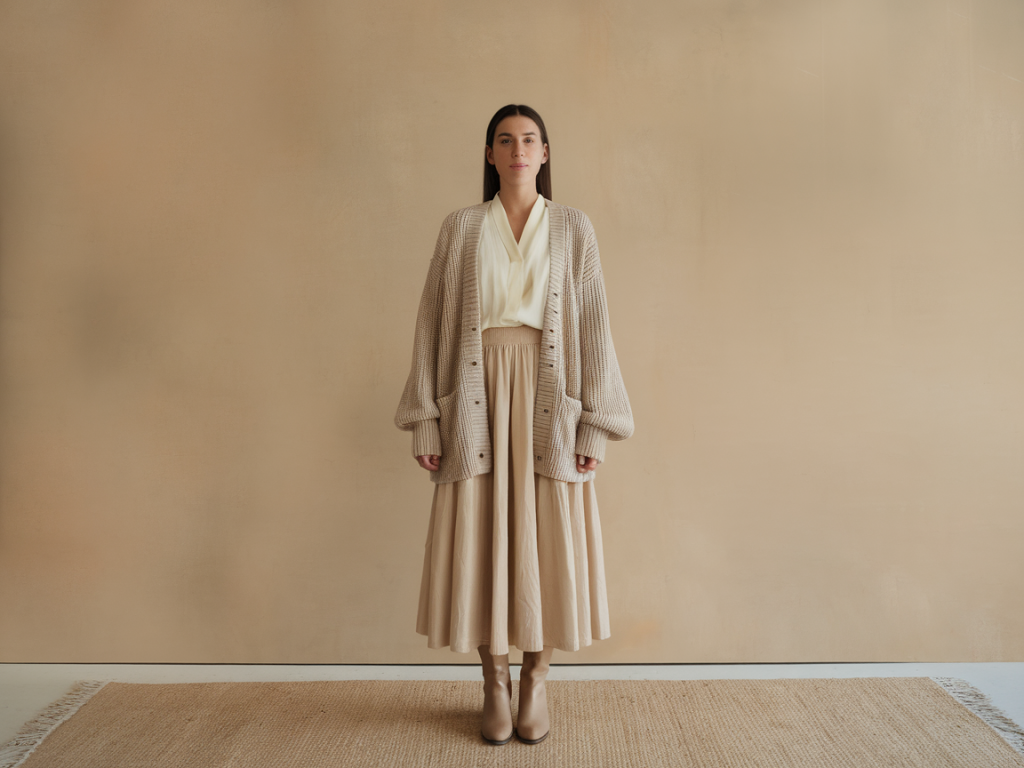
I’ve tried every clothing shorthand in the book — the “10×10 challenge,” the 37-piece capsule, the colour-coordinated uniform — and each time I learned something slightly different about who I actually am, what I do, and what my life asks of my wardrobe. This method I’m about to describe is less about rigid rules and more about a guided experiment: a simple, repeatable way to discover a personal capsule wardrobe that actually fits your real life.
Why an experiment, not a rule
People bring two kinds of expectations to capsule wardrobes: the aspirational and the prescriptive. The aspirational version promises a calm, Instagram-friendly life where every outfit is curated. The prescriptive version hands you a list — nine tops, four bottoms, two jackets — and expects compliance. I wanted neither. I wanted evidence.
The goal of my experiment was pragmatic: reduce decision fatigue, save money, and make getting dressed easier — without forcing myself into someone else’s visual thesis. So I treated my wardrobe like a small research project. I tracked, I tested, and I iterated.
How the experiment works (overview)
Timeline: 8 weeks. Focus: habits, not aesthetics. Outcome: a working capsule that reflects how you actually move through days.
High-level steps:
Step 1 — The wardrobe audit
Start by laying everything out. Yes, everything. Socks, gym clothes, party shoes — the full inventory. I made a spreadsheet but a simple notebook works. For each item ask two quick questions: “Have I worn this in the last 12 months?” and “How did it feel when I wore it?”
Mark items that get an easy “yes” as your initial core. You’ll likely notice that a small percentage of items get most of your weekly wears. That’s the signal we care about.
Step 2 — Choose a realistic capsule size
Forget trend pieces that pressure you into arbitrary numbers. The right size depends on laundry habits, climate, and how many outfit changes your life demands. Here are guidelines I use:
I set my target at 35 items — enough variety for a week of smart-casual life, plus a few extras for date nights, workouts, and unpredictable weather. Tip: exclude underwear and basic socks from the count if that reduces stress, but include shoes and outerwear.
Step 3 — Track actual wears for two weeks
Here’s where the experiment starts to feel revelatory. For two weeks, write down every outfit you wear. The simplest method is to use a note on your phone: record the item names (or numbers) and whether you felt comfortable, overdressed, or underdressed. Track laundry too: how often do you really need to wash that sweater?
This tracking does two things: it reveals frequency (which items are your workhorses) and friction (items you own but avoid because they itch, don’t fit, or are impractical).
Step 4 — Build the capsule and whitelist
Using your wear data, assemble your capsule. Aim for a mix of essentials, functional pieces, and two-to-three “elevators” — outfits that raise your look when you need them.
Create a small whitelist: 3–5 items you’re allowed to wear during the field test that aren’t in the capsule. For me, the whitelist covered a vintage blazer I can’t bear to shelve and a pair of neon trainers for rainy runs. The whitelist prevents the experiment from feeling like deprivation and lets you test whether those items are truly essential.
Step 5 — The 4-week field test
For four weeks, wear only items from your capsule and whitelist. No sneaking favorites back into rotation. During this time continue to record wears and feelings. Note instances where you felt underdressed or had no practical option for the day’s activities.
This phase is where most learning occurs. I found out that:
How to decide what to keep, mend, or replace
After the field test, tabulate items by wear count and “friction” score (how often you avoided an item due to fit, comfort, or impracticality). Use these rules:
For example, I replaced two sweaters that consistently pulled on my jewelry with merino wool versions that were less fussy. I also invested in one pair of waterproof sneakers — small cost, big lifestyle payoff.
Practical packing: a sample 35-item capsule table
| Category | Example items |
|---|---|
| Tops (10) | 2 shirts, 3 tees, 2 sweaters, 1 lightweight blouse, 2 casual shirts |
| Bottoms (6) | 1 jeans, 1 chinos, 1 black trousers, 1 skirt, 2 shorts/active bottoms |
| Outerwear (4) | 1 blazer, 1 waterproof jacket, 1 light coat, 1 sweater cardigan |
| Shoes (5) | sneakers, loafers, ankle boots, trainers, dress shoes |
| Accessories (5) | scarf, belt, tote bag, crossbody, simple jewellery |
| Extras (5) | pyjamas, gym set, rain gear, special occasion outfit, seasonal item |
Shopping and maintenance rules that kept me sane
After running the experiment twice, I added a few humane constraints that kept the system alive:
What this experiment teaches that one-run attempts don’t
It’s not about minimalism as virtue. The true win is knowing which pieces actually serve you and which stories you were telling yourself about who you want to be. The evidence-based approach removes shame from the process. You’ll find wardrobe habits are often habitual because they’re comfortable or convenient — which are fine reasons, if you own them.
If you try this at home, treat it as a learning loop. Run a shorter version in a month if you’re impatient. Or make it seasonal. The point is repetition and honesty: track, test, adjust. Over time, your capsule becomes less of a restriction and more of an infrastructure for the life you live.
If you want a downloadable checklist or a printable wear tracker I used during my runs, I put a simple template up on Carbonnen Co at https://www.carbonnen.co.uk. I’d love to hear what your experiment reveals — favourite surprise item, biggest regret, or the one thing you can’t live without.