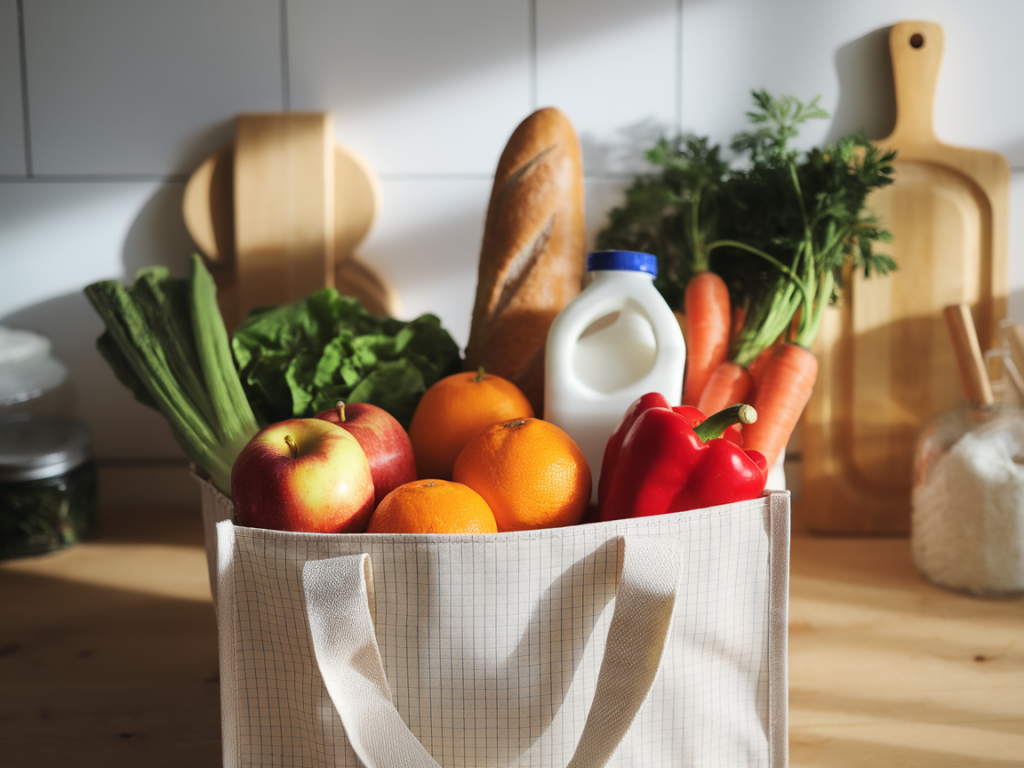
I used to think reusable grocery habits were a nice-to-have moral flex for people with perfectly scheduled lives. Then I started juggling freelance deadlines, a toddler, and a fridge that seemed to run on chaos. Little by little I found routines and tiny tools that made bringing my own bags, jars, and produce sacks not only possible, but quietly satisfying. This is a practical guide to building a reusable grocery habit that actually sticks when life is busy — the kind of habit that survives rush-hour shopping, forgetful mornings, and the occasional impulse pastry run.
Start with one thing (and make it ridiculously easy)
The most common trap is trying to overhaul everything at once: reusable bags, jars for bulk, a beeswax wrap for sandwiches, silicone produce bags, metal straws, the works. That’s a quick path to overwhelm. Instead, pick one replacement that fits your current routine.
- Reusable shopping bag: This is the lowest friction win. Keep one in your coat pocket or your car door. I bought a compact, foldable bag from Baggu and another canvas tote that lives in my bike basket.
- Produce bags: If you already bring a bag, adding a set of mesh produce bags is an easy tweak. They’re lightweight and don’t take up space in a purse.
- Reusable coffee cup: If you grab takeaway coffee regularly, a reusable cup can be the single change that feels rewarding in minutes.
Choose the one that directly replaces your most frequent single-use habit. Win that, then add another in a few weeks.
Design small, resilient rituals around triggers
Habits latch onto triggers. I tie my grocery habit to two reliable triggers: keys and evening meal planning. When I pick up my keys, I check for my compact bag. When I write my weekly meal list on Sunday, I note which items come from bulk so I can pack jars.
- Hook to keys or phone: Attach a tiny foldable bag to your keyring, or set a phone reminder for market day.
- Hook to routine tasks: Add “grab jars” to your post-lunch kitchen tidy-up if you shop in the afternoon.
- Visual cues: Keep your reusable bags in a visible spot — hanging on the coat hook, not buried in a cupboard.
Rituals don’t have to be elaborate. A one-sentence checklist stuck inside a cupboard door will outlast a motivational Instagram post.
Make it low-friction with tiny upgrades
Busy life equals limited mental bandwidth. The trick is to make choosing reusable the path of least resistance.
- Always-ready storage: Keep a bag or two in the car and a compact one folded in your bag. I have a set of Baggu standard totes in the car and a tiny nylon pouch that unfolds into a tote in my handbag.
- Standardize your containers: Buy a few jars that work across multiple shops. I use 500ml and 1L Kilner jars for bulk staples. They fit on shelves, stack in my kitchen, and are accepted at most zero-waste counters I visit.
- Label and date: Use a removable label or a chalk marker. When jars are labeled, filling and checking inventory becomes a two-second task.
Plan for failure (and have contingencies)
Life is messy. You will forget. Your toddler will spill beans inside the car. Your local store might suddenly refuse third-party containers because of a new policy. Prepare a simple backup plan so one hiccup doesn’t derail the entire habit.
- Emergency disposable: Keep a lightweight, recyclable paper bag in the glovebox for truly unexpected trips.
- Sanitation kit: Carry a small spray bottle (70% isopropyl or soapy water) and a cloth if you prefer to hand over a clean surface for weighing jars.
- Quick swap rule: If a store won’t accept your jar, commit to using your reusable bag and buy produce loose instead of packaged; small compromises are still progress.
Batch prep to save time
When mornings are hectic, little tasks add up. I set aside 20–30 minutes on Sundays for two things: a quick inventory and a “jar station.”
- Inventory: Check what you have that’s used most often (rice, oats, nuts). This avoids last-minute trips and forgotten containers.
- Jar station: Wash and dry the jars you plan to bring. Keep lids in a basket so you’re not hunting for the right top later.
Batching reduces the mental load during the week. It's the difference between an annoyance and a habit that slides into place.
Use community norms and local vendors
Buying from vendors who already know how to handle containers makes life easier. Many farmers’ markets and bulk stores welcome your own jars; some even offer a small discount.
- Find friendly shops: Ask your regular grocer if they have a bulk counter policy. At my local market, the staff happily tare my jars and hand me a little receipt with the tare weight — simple and efficient.
- Join local groups: Community Facebook groups or neighbourhood apps often have threads about zero-waste shopping. I picked up useful tips and a local vendor list from a neighbour’s post.
Make it rewarding (not punishing)
Habits stick when they come with a small reward. For me, it’s the little pleasure of a neatly packed crate when I get home, or the satisfaction of a jar labeled and lined up on the pantry shelf.
- Track progress visually: Keep a sticky note on the fridge that says “Reusable wins” and add a tick each time you bring your own bag.
- Tiny treats: Allow one single-use treat per month that you truly enjoy — nobody needs habit-building to feel like deprivation.
Accept imperfect progress
On a particularly chaotic Wednesday I once forgot every single reusable item and bought bread wrapped in plastic. I was frustrated for five minutes and then I moved on. Habits are about averages, not perfection. If you average 4 reusable trips out of 5, you’re doing well.
If a week is terrible, tweak one thing: maybe pack an extra bag by the door, or put a post-it on your wallet. Small course-corrections are kinder, and far more effective, than guilt.
Products and tools I actually use
| Baggu Standard Bag | Compact, durable, folds into a small pouch — lives in the car and my backpack. |
| Kilner jars (500ml & 1L) | Good balance of size and portability. Wide mouth for scooping nuts and grains. |
| Mesh produce bags | Lightweight, washable, and collapsible — I keep a set in my purse. |
| Chalk marker | Easy to write and erase labels when jars get repurposed. |
None of these are essential — but choosing reliable, pleasant-to-use items makes the habit less of a chore and more of a small, satisfying ritual.
If you take away one practical piece of advice: make bringing reusables the easiest option in every scenario you regularly face. Cup in the car, bag on the hook, jars pre-packed on Sunday. Build around the real rhythms of your life, not an idealised version of it, and the habit will quietly become the default.