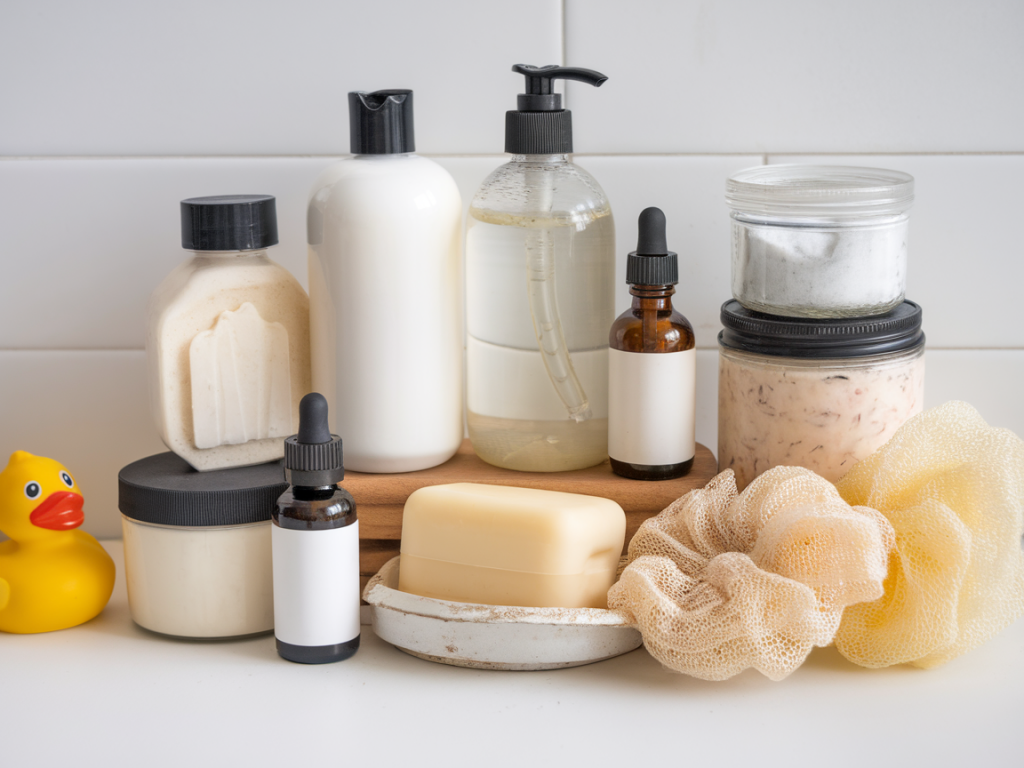
I started switching to refillable toiletries because I was tired of seeing nearly identical plastic bottles accumulate in our bathroom and being told, gently but persistently, that “it’s recyclable.” Over time I realised the real obstacle wasn’t access to refills but the little rituals and perfectionism I was inventing for myself — the feeling that switching had to be a full-on lifestyle overhaul. It doesn’t. Here’s a practical, low-drama guide to making refillables work in real life, not just as a beautiful Instagram flatlay.
Why I chose refillables (and why you might too)
For me, it wasn’t only environmental guilt. Refillable options can be cheaper long-term, reduce clutter, and sometimes actually feel nicer to use: solid shampoo bars travel well, refill pouches are lighter, and some local refill shops carry brands you can’t find in big retailers. But the biggest motivator? The tiny feeling of control — choosing fewer, better things rather than always chasing the next label.
Start small: what to swap first
Don’t try to convert your entire bathroom in a weekend. Here are low-friction swaps that give the biggest impact:
- Hand soap — The easiest: refill a pretty dispenser from a pump pouch or local refill station.
- Shampoo and conditioner — Try one solid shampoo bar and a bottle refill for conditioner, or both bars if your water is soft.
- Body wash — Swap to a concentrated pouch or a local-brewed soap in a refillable bottle.
- Toothpaste — If you’re curious, try toothpaste tablets or a refillable jar; otherwise switching to a recyclable tube is still progress.
Quick starter kit (low fuss)
This is what I recommend for someone who wants results with minimal maintenance:
- A sturdy glass or stainless steel pump bottle for hand soap (I like amber glass — it hides stains and the look is forgiving).
- One shampoo bar and a conditioner pouch, or two bars if you prefer solids (LUSH, Ethique, and smaller artisan makers are good starting points).
- A refill pouch of body wash from a brand like Plaine Products or a local refill shop.
- One travel tin for a shampoo bar so you can try it before committing.
Where to refill: options and trade-offs
Refill options vary by convenience, cost, and waste saved. Here’s a practical breakdown.
| Option | Convenience | Typical Cost | Best for |
|---|---|---|---|
| Refill stations (shops) | Moderate — requires trip | Often cheapest per use | Regular stock: soap, detergent, shampoo |
| Refill pouches | High — delivered | Lower than small bottles | Body wash, laundry, hand soap |
| Solid bars | Very high — no bottles | Low to moderate | Travel, minimalists |
| Concentrates & tablets | Moderate — need dilution | Very low | Cleaning products, toothpaste tablets |
| Return-and-refill (Loop, local brands) | Low to moderate | Varies | Premium personal care, lasting containers |
Practical tips for using refillables without fuss
- Pick one ritual-friendly item — If you love a morning shower routine, prioritise replacing that product first. You’ll be more likely to stick with it.
- Label your bottles — A slim label or a dab of nail polish tells you what’s in the pump (and prevents the “shampoo vs conditioner” panic mid-shower).
- Store bars smartly — Let shampoo bars dry between uses on a slatted dish or a soap lift to make them last longer.
- Keep one fallback — I keep one standard bottle on a high shelf for guests or when I forget to bring the bar home from the gym.
- Measure your concentration — If you buy concentrates, mark your refill bottle with a line showing how much water to add. Saves a lot of guesswork.
- Rotate slowly — Don’t throw away half-used products. Use them up, then replace with a refill option.
Real-life problems and easy fixes
Here’s how I handled the annoying bits so you don’t have to overthink them.
- Bars make hair greasy at first — If you switch to a shampoo bar and your hair feels weird, give it two to four weeks. Build-up from silicone-based shampoos can mask how bars work. Use a clarifying rinse (apple cider vinegar diluted with water) once a week during the transition.
- Pouches leak in transit — Transfer pouches into a small funnel and pour into more durable bottles at home. Keep the pouch in a bin when you cut it open.
- Hard water issues — Bars sometimes don’t lather well with hard water. Try a conditioner bar or a small splash of dilute liquid conditioner as a rinse.
- Guests don’t know what to do — Keep a tiny sign: “Press for hand soap” or provide mini single-use bottles for visitors if needed.
Brands and services I’ve tried (and what I liked)
I test things like a hobby, not a hobby you have to follow. These are real brands I've used:
- Plaine Products — Lightweight refill pouches and returnable bottles; convenient subscription options.
- Ethique — Solid bars that last; great for travel and minimal fuss.
- Local refill shops — My nearest one stocks bulk soaps and detergents; I bring jars and refill monthly. It feels social and cheap.
- Loop/brand refill programs — Neat idea for nicer products with durable bottles, but you have to remember to send things back.
How to measure progress without perfectionism
I stopped counting every bottle saved and started tracking habits: how often I refill, how long a bar lasts, whether I buy less often. Small wins look like: one fewer plastic bottle at checkout, a lasted-for-months shampoo bar, or finally finding a refill shop with decent opening hours. If you aim for reasonable changes rather than a zero-waste ideal, you’ll keep going.
Travel and guests — low-drama strategies
- Pack solid bars in a metal tin for travel.
- Keep a small travel-sized bottle you refill from home for quick trips.
- For guests, have a decanter labelled “hand soap” or keep single-use backups if you expect a fuss.
Switching to refillables doesn’t require a ritual or a perfect moral stance — just some small decisions that fit your life. Start with one swap, keep things practical, and let the rest follow. The goal isn’t to be flawless; it’s to create easier, less wasteful habits that stick.