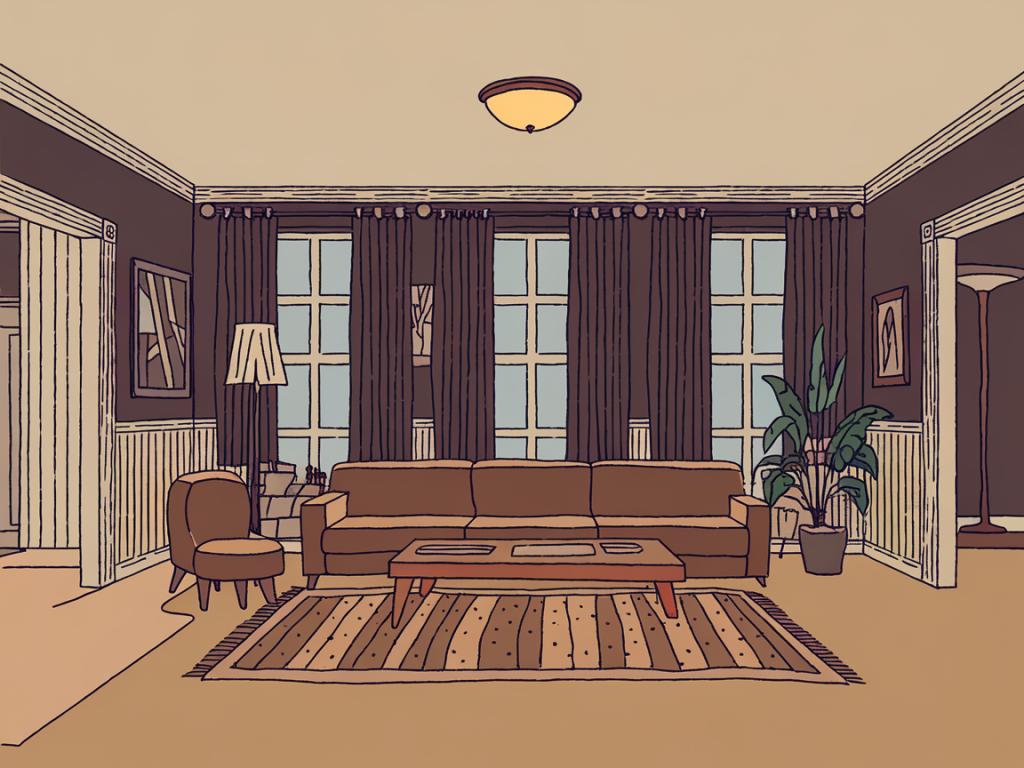
I used to think stress lived in my head — until I realised my floorplan was quietly conspiring against me. A hallway that funnels you past the laundry pile, a sofa that faces the TV rather than the window, and a kitchen island that turns every meal into a coordination problem: these are the tiny layout decisions that, over months and years, add up to a steady low-level frisson of irritation. I decided to spend one weekend fixing as many of those micro-problems as I could. The result felt like decluttering my brain, not just my rooms.
How your layout might be adding to your stress (the subtle signs)
Some design issues scream for attention — a leaking roof or a door that won't close — but others are quieter, and that's what makes them dangerous. Look out for these subtle signals:
Frequent bottlenecks: Narrow paths or furniture placed in walking routes that force you into awkward turns. You feel it when you're carrying dishes or the cat darts across your feet.Visual noise on arrival: The moment you walk in, your eye lands on clutter, shoes, mail piles, or utility zones. Instead of a calming threshold, your entry becomes a checklist of tasks you haven't done.Rooms with no clear purpose: The "everything" surface — a table in the dining room with a laptop, unopened post, and a drying towel — creates decision fatigue. You spend minutes deciding if you can sit, eat, or work there.Seats that isolate: Seating that forces everyone to look at the TV or away from each other encourages mindless scrolling rather than conversation.Repeated small frictions: Knocking knees on a coffee table every time you reach for something, stepping over toys at night, or having a kettle unreachable from the cooking zone. Individually trivial, collectively draining.Poor sensory transitions: A blindingly bright kitchen next to a dim living room or a cold corridor leading to a cosy bedroom disrupts mood. Our bodies prefer gentle transitions.Spotting these patterns is the first step. Next comes the fun part: weekend intervention. I recommend treating it like a mini design sprint — decide, execute, reflect.
One-weekend fixes that actually make a difference
All of my suggestions are deliberately low-cost and achievable in a weekend. You don't need to knock down walls; you need to move a few pieces, add light, and make small investments in organization.
Plan: 2 hours
Walkthrough with a notebook: Walk through your home at the times that feel most frustrating (morning rush, after work). Note recurring frictions.Decide on top three pain points: Pick three fixes that will give the biggest relief. Prioritise paths, thresholds, and multi-use surfaces.Once you have a plan, shop (or source) any small supplies: a couple of trays, a floor lamp, a simple shelf, cable ties, and a storage basket or two.
Execute: Saturday
Fix traffic flow: Move or rotate furniture so primary walking lines are 80–90cm wide. In practice this means pulling the coffee table back a few inches or angling a chair. You'll notice the difference immediately; walking should feel effortless.Create a welcoming entry: Clear the doorstep. Add a tray or shallow bowl for keys and a small basket for daily mail. I like a slim bench where you can sit to put on shoes — it keeps the floor clear. IKEA's HEMNES bench or a simple floating shelf work well if you want affordable options.Zone surfaces: Give each flat surface a role. The dining table is for dining; if you need a laptop nook, pick a dedicated corner with a small desk or a fold-down table. Use trays to corral "it will just go here" items. Trays are magical: they make clutter look considered.Rethink seating layout: Rotate sofas and chairs so conversation is possible without shouting. If the TV is commanding the room, angle it slightly and add seating that faces the window or each other. A pair of slim accent chairs can cost-effectively transform dynamics.Quick sensory fixes: Add a soft rug to demarcate a cosy area and soften echoes, and bring in a lamp for layered lighting. A lamp near the sofa reduces the harshness of overhead lights and invites stillness. I use Philips Hue bulbs for easy dimming, but a basic warm LED lamp works just as well.Polish: Sunday
Declutter strategically: Spend one hour with a basket labeled "put away later." Remove everything from surfaces, then only return the essentials. If an item doesn't earn its place in 48 hours, find a home for it or donate it.Smart storage quick wins: Add a narrow console in the hallway, hooks behind doors, or under-sofa baskets for seasonal items. Magnetic knife strips for tools in the kitchen or labelled boxes for kids' toys reclaim countertops.Address sensory transitions: Use simple curtains and rugs to soften abrupt changes between rooms. A thin runner in a cold hallway, a dimmer switch for main lights, or matching paint tones across adjacent spaces makes passes feel less jarring.Create a “launch pad” zone: Design a small area near your main door for everything you need to leave the house — bag, keys, umbrella, a weekly pill box. This reduces the frantic morning search-and-scramble.Mini shopping list (low-cost, high-impact)
| Item | Why it helps |
|---|
| Tray or shallow bowl | Contains visual clutter at entries and surfaces |
| Soft lamp or floor lamp | Layered lighting reduces eye strain and calms evenings |
| Slim bench or small console | Adds a seat and storage at thresholds |
| Under-bed/sofa baskets | Invisible storage for seasonal items and toys |
| Hooks and slim shelf | Vertical storage without cluttering floors |
| Large woven basket | Quick tidy-up tool for communal clutter |
Small habits that make layout changes stick
Layout tweaks only succeed if you couple them with tiny routines. Try these:
Two-minute reset: Before bed, spend two minutes returning items to their homes. The trick is consistency, not intensity.One-purpose surfaces: Make a rule: if it isn't that surface's purpose, it goes in the basket. Guests help enforce this — nothing like an unexpected visitor to make you follow your own rules.Weekly check-in: Spend 10 minutes each Sunday noticing what's creeping back. If the same hotspot gets messy repeatedly, tweak the solution: add storage, shift activities, or accept that the function needs a permanently new home.When to call in more help
If you find the same problems persist despite these hacks, the issue might be structural: awkwardly placed doors, windows, or fixed cabinetry. That's the time to consult an architect or a space planner for minor reconfigurations like relocating a door swing or opening a pocket door. Even then, your weekend changes will make life better while you wait.
After my weekend refresh, the simple act of arriving home felt softer. I wasn't fixing things as much; I was living in a space that anticipated my routines rather than interrupting them. Small interventions — a new lamp, a better traffic line, a tidy launch pad — mattered more than I expected. If your home seems to be wearing you down, try this weekend sprint. You may not rebuild the house, but you can redesign your daily experience.