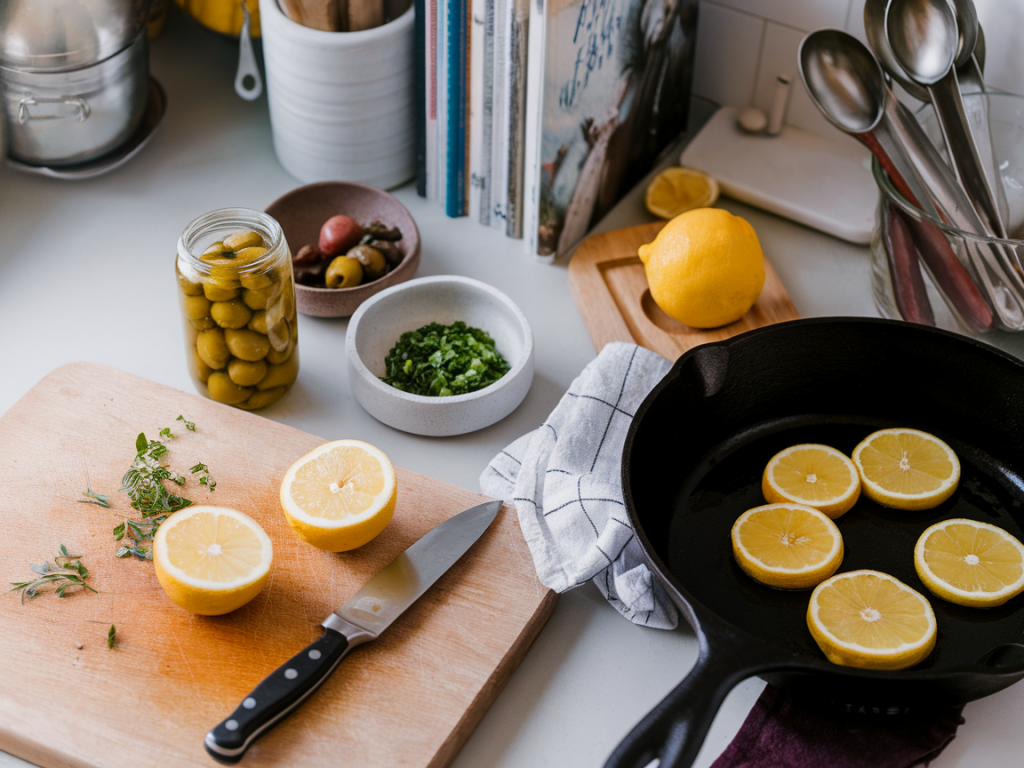
I used to treat weeknight cooking like an epic quest: heroic at the start, frazzled in the middle, triumphant (or defeated) at the end. Somewhere along the way I learned a different trick—tiny rituals that shift the whole experience from stress to ease. They don't make dinner magically appear, but they reframe the work, cut friction, and make good meals more likely. Here’s what I actually do (and why it works), plus answers to the questions people ask me most.
Why rituals, not rules?
Rituals are small, repeatable actions that anchor a task in habit. Unlike strict rules, they’re flexible and forgiving. A ritual doesn’t require perfection—if your mise en place is missing one ingredient, the ritual still happens. That low-pressure consistency is what reduces stress. For me, rituals create a predictable container for creativity: I know when I can improvise and when I should follow a plan.
Three micro-rituals that changed my weeknights
These are the rituals I return to on hectic evenings. Each takes between 30 seconds and 10 minutes, but they compound into calmer cooking.
Set the mood in 30 seconds. I flip on the warm under-cabinet light, open a window if the weather allows, and start a playlist—usually instrumental or low-fi. Sound and lighting tell my brain it's time to slow down. If I'm really tired, I choose a 20-minute playlist that becomes a natural endpoint: when the playlist ends, the meal is usually plated.Do a five-minute mise en place. Before chopping, I quickly pull ingredients together, rinse a few bowls, and set them where I'll work. This small act prevents the scatter—with everything at hand you waste less time hunting for things and more time cooking. I learned this from restaurant practice, but it's scaled down: no fancy prep, just the basics.End with a two-minute reset. After plating, I run a hot soapy sponge through the main pan and wipe the counters. It’s not deep cleaning, just enough that the kitchen is usable the next day. That tiny habit removes the dread of next-meal clean-up.Practical rituals by stage
Breaking the evening into stages (start, cook, wrap-up) keeps decisions tiny. Here’s what I do at each stage.
Start: The five-minute plan. Decide your protein and two sides. If I'm making chicken, I ask: roasted or seared? Vegetables: roast or quick sauté? Pick a starch—rice or bread? This micro-plan narrows options so the rest flows.Cook: One-pot thinking and time-stamping. One-pot recipes reduce dishes. Even when not making one-pot meals, I consolidate tasks: while pasta water heats, I preheat a sheet pan for veggies. I also mentally time-stamp: “Put the potatoes in at minute 10, start sauce at minute 20.” It’s a small verbal rhythm that keeps me organized.Wrap-up: Clean-as-you-go. I wash as I go for two reasons: it keeps counters clear and it makes the two-minute reset possible. If I can't wash, I at least stack resembling items together—dirty knives in one bowl, pans nested—so the final wash is faster.Tools that make these rituals stick
Rituals are just easier with the right little tools. None of these are essential, but they help.
An inexpensive timer or a phone timer (I use multiple short timers for different tasks).A sharp chef’s knife and a small cutting board dedicated to veg—having a separate board reduces decision fatigue.A sturdy sheet pan: it’s the workhorse for roasted veg, reheats, and even easy pan-bakes.A decent nonstick skillet for weekday proteins—nothing glamorous, but reliable.Glass containers for leftovers—see-through storage makes post-meal choices easier.How to adapt rituals when you're exhausted
People often ask: “Camille, what if I’m too tired to do any of this?” Good question. That’s where micro-steps shine. The goal is not to cook like a chef, it’s to preserve dignity and save time.
Choose one low-effort ritual: the two-minute reset. Even if you only do that, you start the next day with less dread.Lean into convenience that aligns with health: pre-washed greens, rotisserie chicken, frozen veggie blends. Combine them with a simple dressing or grain and you have a balanced meal in ten minutes.Batch a few staples on the weekend—roast a tray of veg and boil a grain. You’ll thank yourself on Thursday.What about picky eaters / family dynamics?
Rituals can be social. I involve other people in tiny rituals so meal prep becomes communal, not chaotic.
Set a simple shared ritual: one person chops, one person seasons. Small roles lower stress and increase buy-in.Offer controlled choices: “Would you like rice or bread?” This narrows options for picky eaters without escalating decisions.Keep a “fallback drawer” of reliable ingredients—eggs, tortillas, a jar of tomato sauce—so everyone knows there’s always a backup plan.How to get started this week
Start with one tiny ritual and repeat it for five nights. I recommend the five-minute mise en place because it pays off immediately. Notice how it affects your mood and timing, then add another ritual.
| Ritual | Time cost | Main benefit |
| Set the mood (lights + music) | 30 seconds | Reduces stress, signals routine |
| Five-minute mise en place | 5 minutes | Less hunting, smoother flow |
| Clean-as-you-go | Ongoing small tasks | Easier wrap-up, less dread |
| Two-minute reset | 2 minutes | Kitchen ready for next use |
Common hurdles and quick fixes
These are the questions I hear all the time, with short, practical answers.
“I don’t have time.” Time is often about transitions. Try a two-minute ritual that removes a future blocker—like pre-chopping garlic or starting a pot of rice when you get home.“My kitchen is small.” Work vertically: hang a magnetic strip for knives, use stacked containers, and clear a small dedicated workspace. Tiny rituals thrive on predictability, not space.“I hate cleaning.” Make it social or entertaining: a podcast while you wipe, or a family timer challenge—who can stack dishes fastest? Turning a chore into something slightly fun makes rituals stick.Small rituals don’t promise perfection, but they do change the feel of cooking. When you shrink decisions, anchor the process, and tidy as you go, weeknight meals stop being a battleground and become a regular, manageable part of the evening. Try one tonight: set the light, play a short song, and prep the ingredients. Notice the difference.